Exploring the Future: What Will the Metaverse Look Like in 2030?
Discover the future of the metaverse in 2030! Explore how immersive technology, decentralized platforms, virtual workplaces, and innovative social experiences will shape our digital and physical lives.
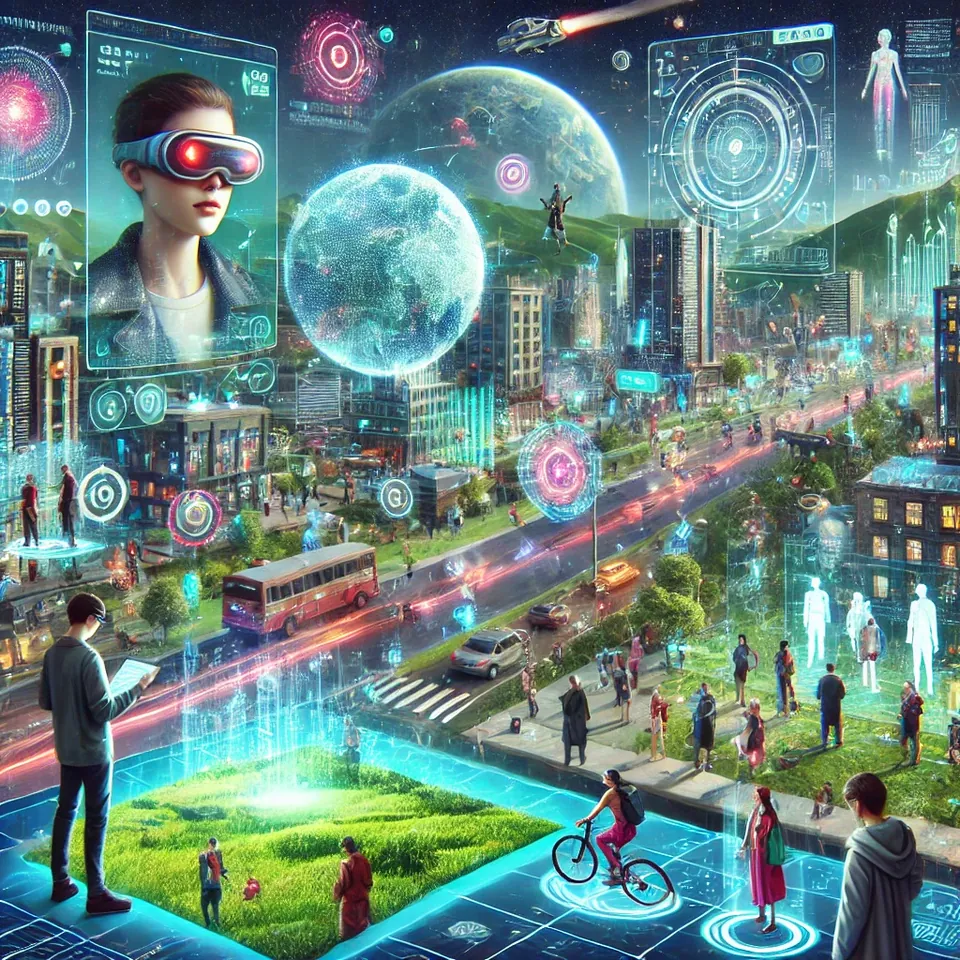
As we step into 2030, the metaverse is poised to become an integral part of daily life, merging our physical and digital realities like never before. Here’s a glimpse into how the metaverse might evolve, shaping industries, communities, and how we connect with each other.
A Hyper-Connected World
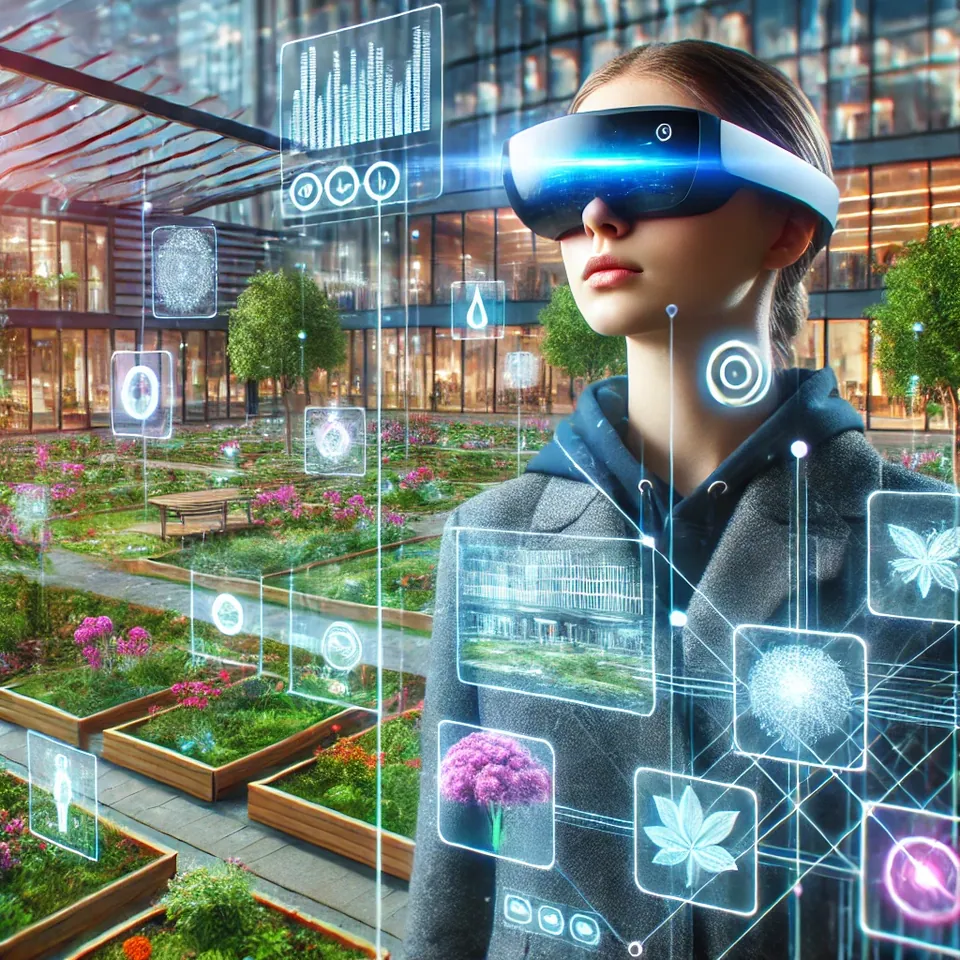
By 2030, the metaverse will create a seamless integration of the physical and digital worlds. Augmented reality (AR) glasses and holographic displays will become commonplace, allowing users to interact with digital layers overlaid onto their physical surroundings. Imagine walking through a park and seeing interactive AR advertisements or accessing live information about plants and animals around you.
Decentralized and User-Driven
Blockchain technology will empower users to have full ownership of their digital identities and assets. Digital wallets will store everything from virtual real estate to non-fungible tokens (NFTs), which represent ownership of art, music, or even virtual items. Governance of metaverse platforms will shift towards decentralized autonomous organizations (DAOs), giving users a say in platform decisions.
Immersive Workplaces
Remote work will take on a new dimension in the metaverse. Virtual offices will replicate real-world workspaces but with advanced tools for collaboration. Think virtual whiteboards, 3D model manipulation, and real-time language translation. Employers may even use virtual reality (VR) headsets to create a more engaging environment for meetings.
Evolution of Entertainment and Socializing
Entertainment in the metaverse will go beyond gaming. Virtual concerts, immersive theater experiences, and social hubs where users can connect in real-time will dominate the space. Personalization will be key, with AI-driven avatars adapting experiences to individual preferences.
Education and Training
Educational institutions and corporate training programs will leverage the metaverse for immersive learning. Students will explore ancient civilizations in virtual environments, while professionals will practice high-risk scenarios in safe simulations. The metaverse will make learning interactive and engaging like never before.
Sustainability and Smart Cities
The metaverse will play a crucial role in promoting sustainability by reducing the need for physical travel and resources. Smart cities will integrate metaverse elements for urban planning, allowing residents to access virtual representations of community services and utilities.

Challenges Ahead
While the metaverse will offer endless possibilities, challenges such as data privacy, digital divide, and ethical concerns around AI and virtual interactions must be addressed. Ensuring inclusivity and security will be paramount to its success.
Final Thoughts
The metaverse in 2030 will be a dynamic space where technology amplifies creativity, connectivity, and convenience. It’s not just a place for escape but a platform for progress, bridging gaps between physical and digital worlds in ways we’ve only begun to imagine.
Watch next
 Read next:Darktide Sisters Novitiate: December 7 DLC vs. Free Update
More stories

Fortnite Crew Changes December 5: What Subscribers Should Check
Epic is replacing monthly Crew outfits with higher V-Bucks allowances and XP boosts. Here’s what changes December 5 and what to check before renewing.

Roblox DONT SPLASH: New Stages and Your First Run
The expanded Poolrooms route asks beginners to do more than jump. Here’s what the reported new stages change, with light spoilers and clear safety ad…

Fortnite’s Final Spritemare Starts Oct. 27: What to Try First
Start with your daily Lucky Locator quest, then target the day’s boosted Sprites. Here’s the five-day loot schedule and what changes on Halloween.